Street Build Mods Work Best When They Improve The Whole Car
The most popular aftermarket modifications for street builds include tires, wheels, suspension, brakes, lighting, exhaust, tuning, wraps, interior upgrades, audio, aero parts, and small comfort changes. The best mods make a car more enjoyable without ruining safety, reliability, legality, ride quality, or resale. Popular does not always mean smart, so every part needs to fit the vehicle’s real job.
A: Wheels, suspension, exhaust, lighting, aero, intake, and tuning are among the most popular.
A: Tires, wheels, or a mild suspension upgrade are smart first steps.
A: Coilovers offer more adjustability, while lowering springs are simpler and usually cheaper.
A: Some do, especially when paired with intake upgrades and tuning.
A: Yes, especially on turbocharged vehicles, but it should be done professionally.
A: Low stance, strong wheel fitment, aero parts, lighting, and clean body styling.
A: They can be, but they require careful wheel, tire, and bodywork planning.
A: Modern air systems can be daily-friendly when installed and maintained properly.
A: OEM+ means subtle upgrades that look like they could have come from the factory.
A: A coordinated wheel, tire, and suspension setup usually creates the biggest visual change.
Aftermarket Mods Change Street Builds In Stages
Street builds usually begin with simple upgrades and grow as the owner learns what the car needs. Tires, wheels, suspension, brakes, exhaust, intake, tuning, lighting, interior, and appearance parts can all change the character of a vehicle. The best builds improve the car’s purpose without making it unreliable or unpleasant.
Popularity does not make every modification wise. A part should solve a problem or support a clear goal. A daily street car, weekend cruiser, canyon car, and show build all need different choices. The build should match the life around the vehicle.
Wheels And Tires Make The Biggest Visual Change
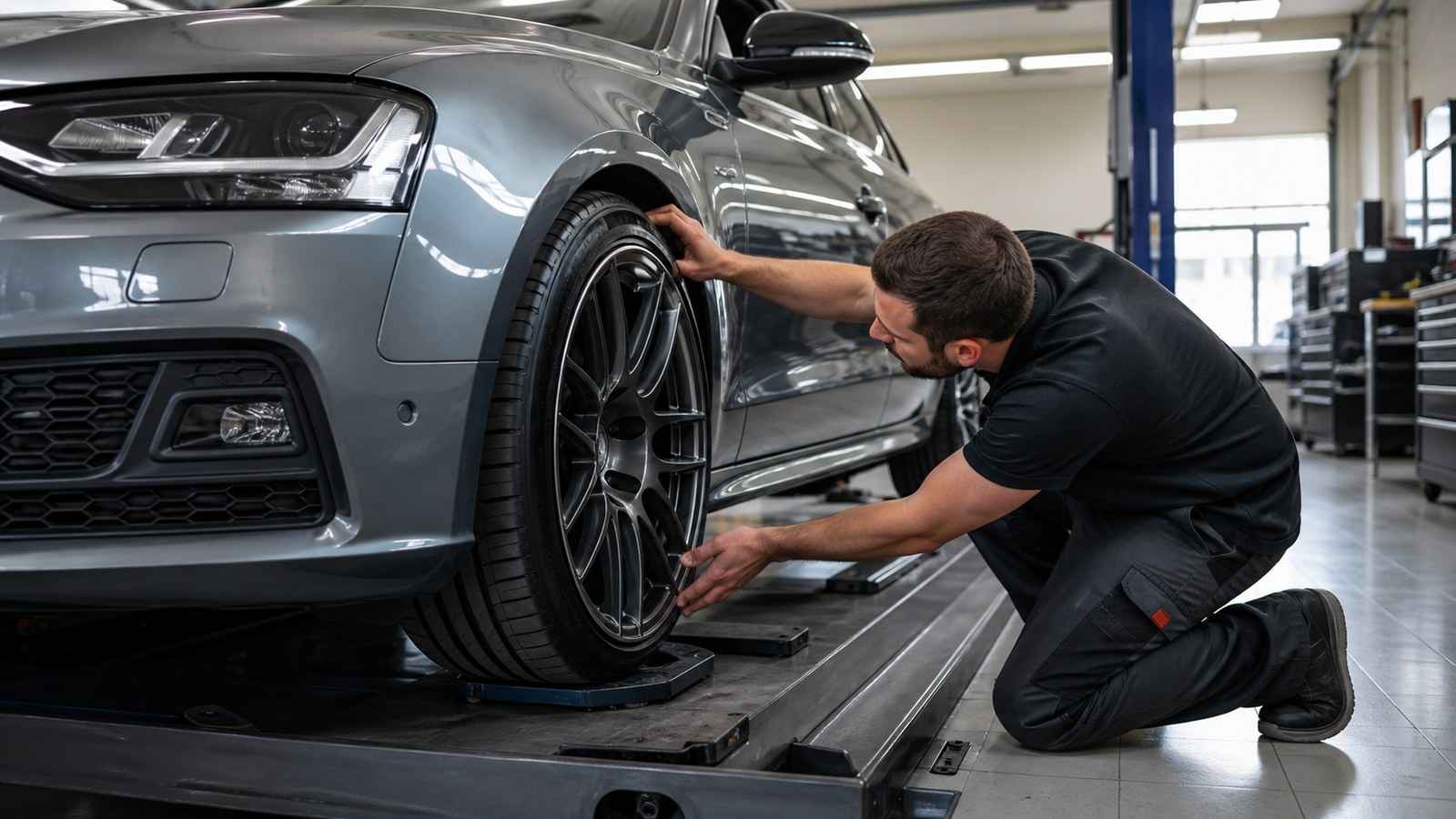
Wheels and tires are popular because they change both appearance and behavior. The right setup can improve grip, stance, steering response, and brake clearance. The wrong setup can rub, ride harshly, reduce fuel economy, or stress suspension parts. Fitment is practical as well as visual.
Owners should consider diameter, width, offset, tire size, load rating, road quality, and alignment. A setup that looks good online may not work on local roads. The best street fitment clears safely and drives well.
Suspension Sets The Attitude
Lowering springs, coilovers, dampers, sway bars, bushings, and alignment changes can transform a street build. Suspension affects stance, ride, steering, braking stability, and tire wear. A lowered car can look sharper, but it still needs travel and geometry.
Cheap or extreme suspension choices often create bouncing, scraping, uneven tire wear, and poor grip. A good street setup feels controlled without punishing every commute. The goal is confidence, not just height reduction.
Exhaust Mods Add Sound And Personality
Exhaust upgrades are common because sound changes how a car feels. A good exhaust can reduce restriction, improve tone, and fit the build’s personality. A poor exhaust can drone, leak, attract enforcement attention, or create emissions problems. Loud is not the same as good.
Street exhaust choices should respect local rules, cabin comfort, and long drives. Resonators, mufflers, pipe diameter, catalytic converters, and hangers all matter. The best exhaust sounds intentional rather than tiring.
Intakes Need Cool Air And Good Sensor Data
Intake upgrades can improve sound and support other modifications, but they need clean, cool air and proper sensor placement. An open filter in a hot engine bay may reduce performance in traffic. Poorly designed intakes can trigger codes or contaminate sensors.
A good intake is sealed, shielded from heat, protected from water, and matched to the engine management system. It should support the build rather than merely add noise. Intake quality matters most when paired with tuning.
Tuning Changes The Way Parts Work Together
Software tuning can adjust fueling, ignition timing, boost, throttle response, shift behavior, and torque limits. A tune may unlock gains from intake, exhaust, turbo, or fuel upgrades. It can also create risk if it ignores heat, fuel quality, emissions, or drivetrain limits.
Street tuning should prioritize smooth drivability and reliability. Peak power is exciting, but the car spends most of its life at part throttle. A good tune feels clean in normal driving and strong when asked.
Brake Upgrades Support Power And Grip
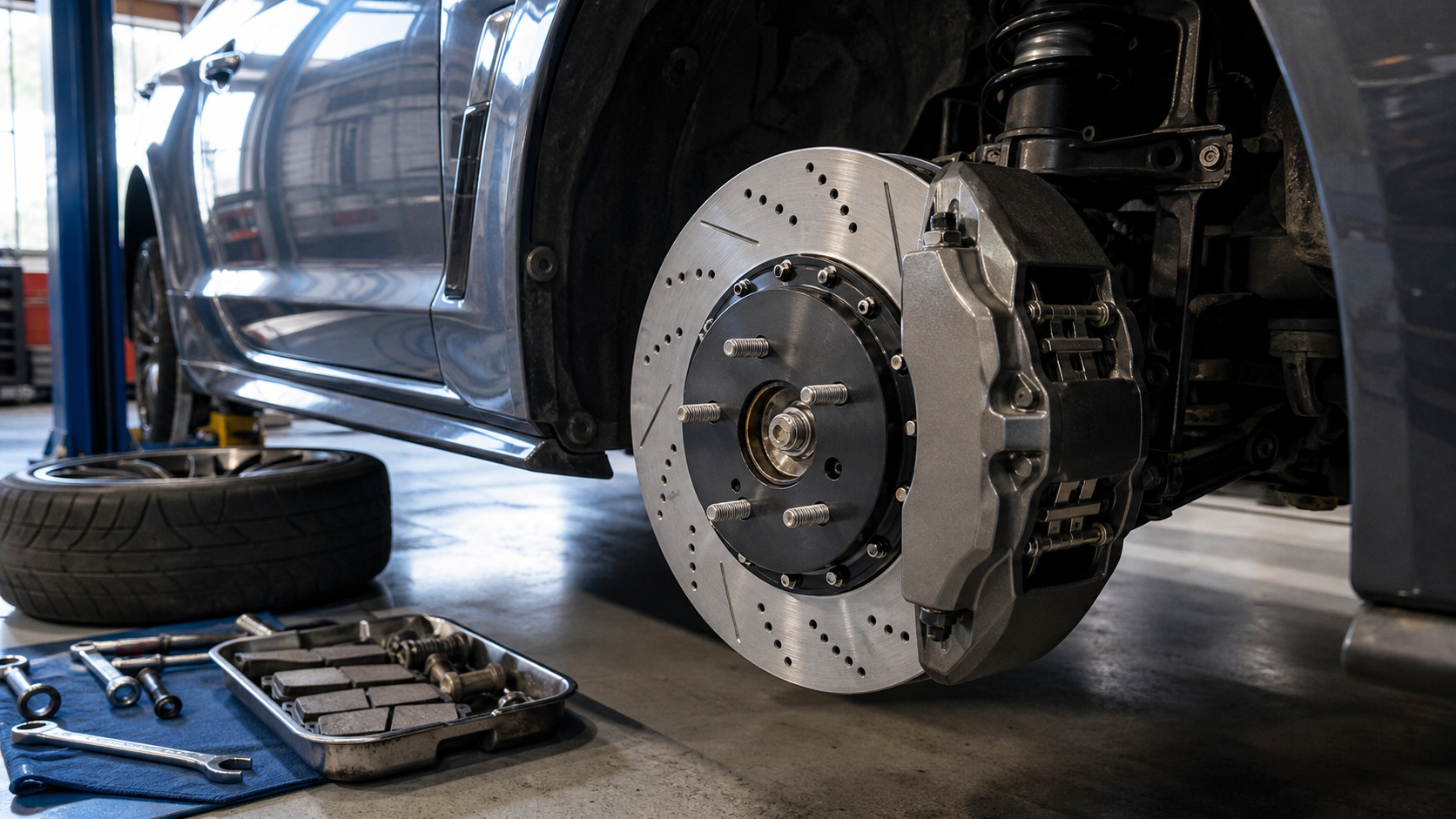
As tires and power improve, brakes may need attention. Pads, fluid, rotors, lines, and cooling can improve confidence before a big brake kit is necessary. Street brakes need cold response, wet behavior, low noise tolerance, and repeatability. Track-only parts may be wrong for commuting.
Brake upgrades should be balanced with tire grip and vehicle weight. Bigger hardware is not useful if the tires are the limit or the system upsets brake balance. Stopping well is part of building responsibly.
Lighting And Exterior Details Need Restraint
Lighting, lips, splitters, spoilers, diffusers, wraps, tint, and trim changes can give a street build identity. These parts should be installed cleanly and legally. Poor lighting can glare, cheap aero can crack, and extreme tint can reduce visibility. Appearance should not create safety problems.
The best exterior modifications support the car’s lines. A few well-chosen details can do more than many mismatched parts. Restraint often makes a build look more finished.
Interior Mods Shape Daily Enjoyment
Seats, steering wheels, shift knobs, pedals, gauges, audio, phone mounts, and sound deadening change how the car feels from the driver’s seat. Interior modifications should improve control, comfort, and clarity. A street build is not complete if the cabin feels like an afterthought.
Safety matters inside too. Airbags, seat belts, visibility, and secure mounting should not be compromised casually. A good interior mod makes the driver more connected without making the car less usable.
The Best Street Builds Stay Serviceable
A modified car still needs maintenance. Parts should be available, wiring should be documented, alignments should be repeatable, and fluids should remain accessible. A build that cannot be serviced becomes frustrating quickly. Clean installation protects future ownership.
Documentation helps. Keep receipts, tune information, alignment specs, and part numbers. The next repair is easier when the build has a clear record. Serviceability is one sign of quality.
Popular Mods Work Best As A System
The most popular modifications become worthwhile when they support each other. Tires need alignment. Power needs cooling and brakes. Suspension needs road clearance. Exhaust and intake need tuning where appropriate. Interior upgrades need safe mounting. Each part changes the whole.
A street build succeeds when the car feels more complete than stock, not merely more modified. That balance is what makes aftermarket culture satisfying.
Street Mods Need A Clear Goal
Aftermarket parts are most satisfying when the owner knows what problem they are solving. A daily driver may need better tires, a quieter exhaust, supportive seats, or a mild suspension refresh. A canyon car may need heat management, brake consistency, and alignment. A show car may emphasize fitment and finish. The right modification depends on the intended use.
Without a clear goal, a build can become noisy, stiff, unreliable, or expensive without becoming more enjoyable. Popular parts are popular for reasons, but they still need to match the vehicle and owner. A good street build has a point of view.
Tires And Alignment Shape The Whole Car
Tires are the only contact patch, so they affect every performance category. Better tires can improve grip, braking, wet traction, steering response, and confidence. Alignment then decides how well the tire works. Camber, toe, caster, ride height, and bushing condition all change the way the car feels.
Aggressive alignment settings can wear tires quickly or make the car nervous on bad roads. Conservative settings may ride better but give up some response. The best street alignment fits the tire, suspension, ride height, and driving environment rather than copying a track setup blindly.
Power Mods Need Heat And Fuel Support
Intakes, exhausts, intercoolers, downpipes, headers, pulleys, injectors, pumps, and tunes can add power, but engines also need control. More power often creates more heat, more cylinder pressure, and more demand on fuel delivery. A power upgrade without monitoring can feel quick at first and become unreliable later.
Street cars spend time in traffic, heat soak, rain, cold starts, emissions checks, and long highway pulls. That mixed use makes drivability important. Smooth throttle response, stable temperatures, clean idle, and reliable starting are part of performance, not separate from it.
Suspension Mods Need Travel
Lowering a car can improve stance and response, but suspension still needs room to move. When a car sits too low for its damper travel, spring rate, tire size, or road conditions, it can bottom out, lose grip, scrape, and ride harshly. Real performance comes from controlled tire contact, not just a lower fender gap.
Quality dampers, matched springs, fresh bushings, sway bars, and careful alignment usually create better results than extreme lowering alone. The street has potholes, driveways, crowned pavement, and expansion joints. A good setup respects that environment.
Legal, Insurance, And Inspection Issues Matter
Some modifications affect emissions compliance, noise limits, inspection rules, warranty coverage, and insurance claims. Exhaust parts, lighting, tint, engine tuning, catalytic converters, suspension height, and wheel fitment may be regulated differently by location. A street build still has to live on public roads.
Keeping documentation, choosing reputable parts, and understanding local rules can prevent headaches. The cleanest builds feel intentional because the mechanical, legal, and practical details line up.
Budget For Supporting Parts
The part that gets attention is rarely the only part involved. Wheels may need tires, alignment, hub rings, lugs, or fender clearance. Power upgrades may need plugs, fluids, cooling, mounts, or tuning. Suspension changes may need end links, bushings, arms, bump stops, and corner balancing. A realistic budget includes the supporting pieces.
Skipping support parts can make a good upgrade feel disappointing. A car with more power but weak brakes, low-grip tires, or overheating issues is less enjoyable than a balanced build. Money spent on the surrounding system often creates the most noticeable improvement.
Reversible Mods Can Be Smart
Some owners want a long-term transformation, while others want changes they can undo later. Reversible modifications protect resale options and make troubleshooting easier. Keeping original parts, avoiding unnecessary cutting, and documenting wiring changes can help a modified car remain understandable.
Reversible does not mean timid. It means thoughtful. A well-planned street build can be distinctive while still allowing future service, inspection, or ownership changes without confusion.
Test One Change At A Time
A common mistake is installing several major modifications at once and then struggling to identify what changed the car’s behavior. One change at a time makes the build easier to understand. Tires, alignment, suspension, brakes, power, and interior changes each deserve a short test period before the next round begins.
Testing does not have to be dramatic. Drive the same roads, listen for noises, check for rubbing, watch temperatures, inspect fasteners, and note ride quality. A modification that seems fine at first can reveal issues after heat cycles, potholes, rain, or highway speed. Slow evaluation creates a better final car.
This process also protects the budget. If one part solves the problem, the owner may not need the next expensive upgrade. If one part creates a side effect, it can be corrected before more parts hide the cause.
Quality Installation Matters As Much As Parts
Even excellent parts can perform poorly when installed carelessly. Torque specs, routing, heat shielding, clearances, lubrication, alignment, wiring protection, and calibration all affect reliability. A clean installation is easier to inspect and easier to repair later.
Street cars live with rain, vibration, car washes, speed bumps, parking lots, and long heat cycles. A mod that survives only perfect conditions is not a good street mod. Quality means the car still behaves well when the roads are ordinary.
Popular Mods Need A Quality Filter
Popular aftermarket parts become popular for many reasons: price, visibility, sound, performance, social media, or proven results. That does not mean every popular mod fits every car. A good owner looks past the trend and asks whether the part improves grip, control, reliability, comfort, appearance, or driver connection in a way that matches the build.
Quality matters as much as category. Cheap suspension, poorly fitted wheels, loud exhausts, weak lighting, and careless wiring can make a street build worse even when the idea is sound. The best popular mods feel integrated rather than simply installed.