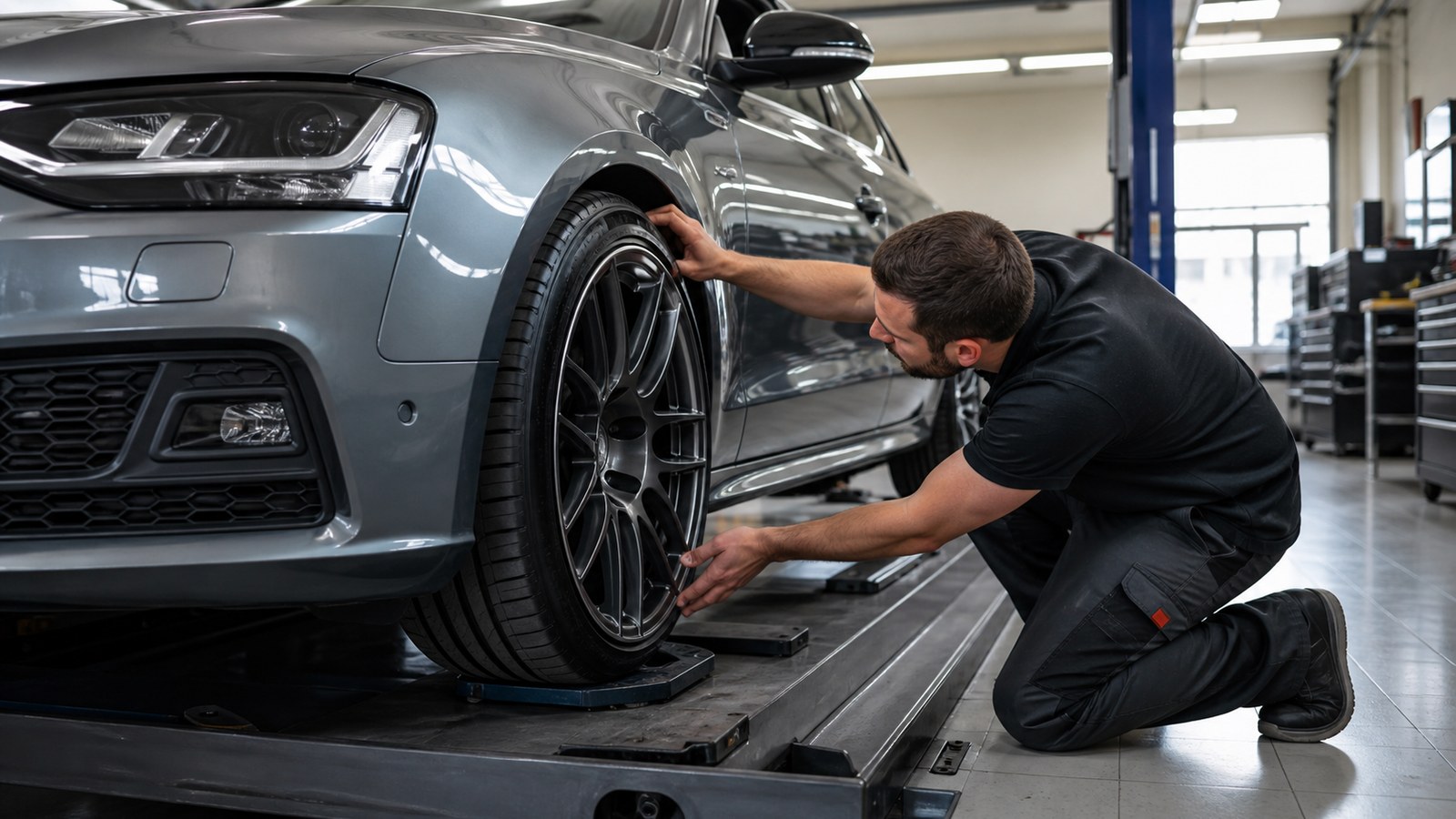
Summer Performance Mods Should Manage Heat First
The best performance mods for summer driving are the ones that improve grip, braking, cooling, consistency, and confidence in hot conditions. Extra horsepower is tempting, but summer heat exposes weak tires, old brake fluid, marginal cooling, heat-soaked intakes, and poor maintenance. A smart street build starts with the systems that keep performance repeatable.
Summer Performance Mods Need Heat Awareness
Summer driving can make performance upgrades feel better, but heat also exposes weak parts. Hot pavement, high intake temperatures, thin air in some regions, long highway pulls, and slow traffic can all stress the engine, cooling system, tires, brakes, and transmission. A summer-focused build should improve control and durability, not just add peak power.
The best modifications match the way the car is used. A daily driver in hot traffic needs different choices from a weekend canyon car or a track-day build. Heat management, tire behavior, and consistent braking usually matter as much as horsepower.
Tires Are The First Performance Upgrade
Good summer tires can transform steering response, braking, cornering, and confidence. They use compounds and tread designs intended for warm pavement, which can provide more grip than all-season tires in the right conditions. For many cars, tires deliver a larger real-world improvement than power modifications.
The tradeoff is temperature range and wear. Summer tires may perform poorly in cold weather and can wear faster. Owners should choose tire width, load rating, speed rating, and compound based on real driving conditions. Grip only helps when the tire fits the car and the season.
Cooling Upgrades Protect Power
More power creates more heat, and summer weather leaves less margin. Radiators, intercoolers, oil coolers, transmission coolers, fans, ducting, and coolant condition all affect whether performance stays consistent. A car that feels strong for one pull but fades after heat soak needs cooling attention.
Cooling upgrades should be chosen carefully. Oversized or poorly installed parts can create airflow problems, leaks, or slow warm-up. The goal is stable temperature under the vehicle’s actual workload. Reliable power is more useful than a brief number on a cool evening.
Brake Upgrades Matter On Hot Roads
Summer performance driving can expose brake fade, especially on mountain roads, track sessions, or repeated high-speed stops. Pads, fluid, rotors, and cooling all determine whether the pedal remains predictable. Fresh high-quality brake fluid and suitable pads are often the first step before larger hardware.
A street car still needs cold and wet braking confidence. Extreme track pads may not be ideal for commuting. The best summer brake setup handles heat without making daily driving noisy, dusty, or uncertain.
Suspension Tuning Should Preserve Compliance
Lowering springs, coilovers, anti-roll bars, bushings, and alignment changes can improve response, but stiff is not always better. Real roads have bumps, dips, heat-expanded pavement, and uneven corners. A suspension that skips across rough surfaces can lose grip even if it feels aggressive.
Good summer suspension tuning keeps the tires in contact with the road. Alignment should match tire choice and driving style. Ride height should preserve travel. The result should be control, not punishment.
Intake And Exhaust Changes Need Realistic Expectations
Intake and exhaust upgrades can improve sound, reduce restriction, or support later tuning, but they do not always add much power by themselves. Some intakes pull hot air from the engine bay, which can hurt summer performance. Some exhausts drone on the highway or attract unwanted attention.
Owners should look for tested parts, proper heat shielding, and compatibility with the engine management system. A good intake or exhaust supports the overall build. A loud part that adds heat or discomfort may make the car worse to live with.
Engine Tuning Should Respect Fuel And Temperature
Software tuning can add power by changing boost, timing, throttle response, fueling, torque limits, or shift behavior. In summer heat, tuning needs enough safety margin for fuel quality, intake temperature, and cooling capacity. A tune that is safe in cool weather may feel stressed in high heat.
The strongest street tune is repeatable and conservative enough for bad fuel, traffic, and long drives. Owners should monitor knock, temperatures, and maintenance needs where appropriate. Power is only useful when the engine remains healthy.
Wheels Can Help Or Hurt
Lighter wheels can improve steering feel, ride, acceleration, and braking because they reduce unsprung and rotating mass. But wheel choice also affects strength, offset, tire fitment, brake clearance, and durability. A fragile wheel on rough roads can turn a performance upgrade into a liability.
The best wheel setup supports the tire, clears the brakes, keeps alignment reasonable, and fits the vehicle’s use. Appearance matters, but a summer performance car still needs wheels that survive real roads.
Drivetrain And Transmission Heat Need Attention
Performance driving adds heat to transmissions, differentials, clutches, torque converters, and all-wheel-drive systems. Automatic transmission coolers, quality fluid, clutch condition, differential service, and axle health can become important as power rises. Heat does not stop at the engine.
Owners should consider the weakest link before adding power. A modest tune on a healthy drivetrain can be enjoyable. A large power jump on old fluid, tired mounts, or weak clutch parts can make the car unreliable quickly.
Data Logging Makes Mods Smarter
Summer upgrades benefit from measurement. Intake temperature, coolant temperature, oil temperature, brake wear, tire pressure, alignment readings, and lap or route notes can show what the car actually needs. Without data, owners may buy parts that solve the wrong problem.
Even simple observation helps. If power fades after traffic, cooling may matter. If tires wear on the shoulders, alignment or pressure may matter. If the pedal softens downhill, fluid or pads may matter. The car usually gives clues.
Street Manners Still Count
A summer performance build should remain enjoyable on normal roads. Excessive noise, harsh ride, heat soak, rubbing tires, unreliable starts, and warning lights reduce the value of the upgrades. A street car has to survive errands, traffic, weather, and passengers as well as spirited drives.
The best modifications make the car feel sharper without turning it into a chore. Balance is the difference between a car that impresses once and a car the owner wants to drive all summer.
The Best Summer Build Is Balanced
A sensible order is tires, maintenance, brakes, cooling, suspension, then power. That path improves the car’s ability to use performance before chasing more output. It also reveals whether the driver truly needs the next modification.
Summer is a great season for enjoying a performance car, but heat rewards preparation. A balanced build stays consistent when the pavement, air, and engine bay are all working against it.
Maintenance Comes Before Modifications
A summer performance build should begin with baseline maintenance. Fresh fluids, healthy belts, clean filters, good plugs, sound mounts, working fans, strong batteries, and leak-free cooling systems give upgrades a stable foundation. Adding power to a car with neglected basics usually makes old problems appear faster.
Baseline checks also make results easier to understand. If the car runs hot after a tune, the owner needs to know whether the cooling system was already weak. Maintenance removes uncertainty before performance parts enter the picture.
Alignment Can Unlock Tire Grip
Performance tires need the right alignment to work well. Camber, toe, caster, ride height, and bushing condition all affect how the contact patch meets the road. A car with poor alignment can wear expensive tires quickly and still feel vague. Alignment is a tuning tool, not just a repair after hitting a pothole.
Street alignments should balance grip, stability, tire life, and wet-weather behavior. Aggressive settings may help on track but become annoying or costly on a commuter. The right setup matches the driver’s roads.
Heat Shields And Airflow Are Small But Useful
Summer performance is often improved by controlling where heat goes. Heat shields, sealed intake boxes, ducting, venting, wrap used carefully, and proper undertray fit can all influence temperature. Keeping hot air away from intake paths, brake parts, and sensitive electronics can make the car more consistent.
Airflow changes should be tested rather than assumed. Removing panels can sometimes make cooling worse by disturbing pressure zones. A clean, sealed path for air is often better than random openings.
Reliability Is A Performance Feature
A car that overheats, rubs tires, lights warning lamps, or destroys consumables is not truly faster in the real world. It spends more time being repaired and less time being enjoyed. Reliability should be treated as part of the build goal, especially for street cars that need to commute home after a fun drive.
The most satisfying summer modifications make the car sharper while preserving trust. Consistency turns performance into something the driver can use repeatedly.
Fuel Quality Can Limit Summer Power
Hot weather increases the importance of correct fuel. Turbocharged, supercharged, high-compression, and tuned engines may pull timing or reduce boost when fuel quality is poor. That protects the engine but reduces performance. In extreme cases, bad fuel and heat can contribute to knock or drivability problems.
Owners should use the octane required by the tune or manufacturer and avoid old fuel in cars that sit. Fuel system health, clean filters, and working sensors support consistent performance. Power depends on combustion quality, not only parts.
Mounts And Bushings Affect Feel
Engine mounts, transmission mounts, suspension bushings, and differential mounts control movement. Worn rubber can make a car feel loose, clunky, or delayed under throttle and braking. Upgraded mounts can sharpen response, but very stiff parts may add vibration and noise.
A good street setup replaces worn parts and adds stiffness only where the driver can tolerate it. The car should feel connected without becoming unpleasant during normal use.
Legal Noise And Emissions Rules Still Apply
Summer modifications often involve exhaust, tuning, and intake changes, but street cars still need to meet local rules. Loud exhausts, removed emissions equipment, illegal tunes, and failed inspections can create fines or registration problems. A car that cannot be used legally has lost practical performance.
Owners should choose parts that fit their area’s requirements. Responsible builds preserve drivability, compliance, and resale options while still improving the way the car feels.
Driver Skill Completes The Build
Performance parts cannot replace judgment. Smooth steering, clean braking, correct gear choice, and awareness of heat make a modified car faster and safer. A driver who understands the car’s limits will get more from a balanced setup than a careless driver with more power.
Summer driving also rewards restraint. Traffic, pedestrians, cyclists, police attention, and road debris still exist. The best build gives the driver confidence without encouraging bad decisions.
Consumables Should Be Planned
Summer performance driving can use tires, pads, fluid, and fuel faster than normal commuting. Planning for consumables prevents frustration and keeps the car ready. A modification is only enjoyable when the owner can afford to keep it working.
A thoughtful summer build should feel strong, controlled, and repeatable from the first warm drive to the last trip of the season.
Summer Performance Needs Heat Control
Performance modifications feel different in summer because heat reduces margin. Intake air temperatures rise, coolant and oil work harder, brakes run hotter, and tires may change behavior as pavement temperature climbs. A car that feels sharp in cool weather can become softer, slower, or less consistent during a hot afternoon drive.
The best summer mods support repeatable performance. Tires, brake fluid, pads, cooling maintenance, intercooler efficiency, ducting, and conservative tuning can matter more than chasing one more peak-power number. A fast street car should stay composed after traffic, hard acceleration, and a long climb, not only during the first pull of the day.